

Hey there! I'm a supplier of food desiccants, and today I wanna chat with you about whether food desiccants can prevent mold in food.
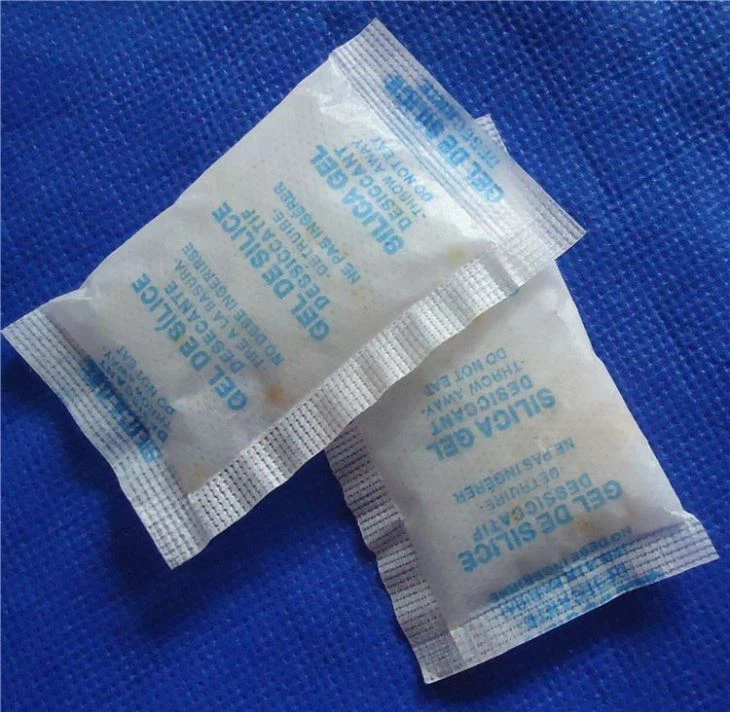
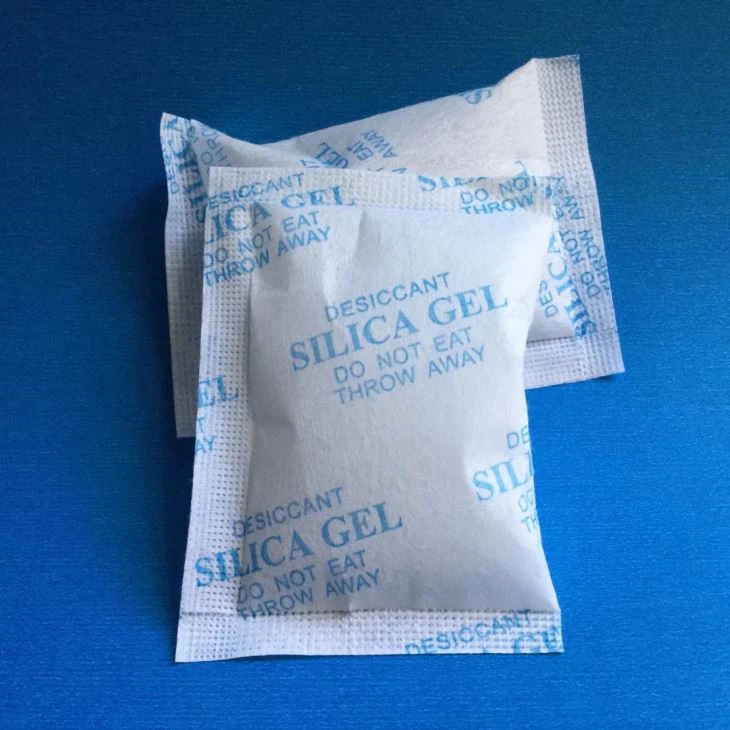
Let's first understand what food desiccants are. They're substances designed to absorb moisture from the surrounding environment. You've probably seen those little packets in your snack bags or maybe in a box of new shoes. These packets are often filled with materials like silica gel, calcium chloride, or clay. As a food desiccant supplier, I deal with a variety of these products every day.
Mold is a big problem in the food industry. It can grow on almost any type of food, from bread and cheese to fruits and vegetables. Mold not only makes the food look unappetizing but also can produce toxins that are harmful to our health. The growth of mold is highly dependent on moisture. Mold spores are everywhere in the air, but they need a damp environment to start growing and multiplying.
So, can food desiccants really stop mold from growing? The short answer is yes, they can play a significant role. By absorbing the excess moisture in the food packaging, desiccants make it a less hospitable environment for mold. For example, silica gel is a popular choice for food desiccants. It has a high capacity to adsorb water vapor. When you put a silica gel desiccant packet in a sealed container of food, it captures the moisture molecules in the air inside the container. This reduces the relative humidity, and as a result, the mold spores have a harder time surviving and growing.
Let me tell you about some of the products I supply. We have these great Silica Dehumidifier Bags. They're super effective at absorbing moisture. You can use them in all sorts of food packages, whether it's small individual snack packs or larger containers of bulk food.
We also offer other types of desiccants with different properties. Calcium chloride desiccants, for instance, are very good at attracting and holding onto water. They can absorb a large amount of moisture quickly, which makes them ideal for food that's more prone to spoilage due to high moisture content.
Now, it's important to note that while food desiccants are really helpful, they're not a magic solution. They work best in a sealed environment. If the food packaging isn't properly sealed, outside air with moisture can keep getting in, and the desiccant will eventually get saturated. Also, desiccants won't eliminate mold that's already present on the food when they're added. They can only prevent new mold growth.
Another thing to consider is the right amount of desiccant to use. Using too little won't be enough to control the moisture, while using too much might not be cost - effective. As a supplier, I always help my customers determine the right quantity based on the type of food, the size of the packaging, and the expected storage conditions.
Let's talk a bit about the applications of desiccants in different food products. For dry foods like nuts and crackers, a small silica gel packet can go a long way. These foods are usually dry when packaged, but they can absorb moisture from the air over time. The desiccant helps maintain their dryness and freshness, preventing mold growth.
On the other hand, for semi - moist foods such as jerky or some types of candies, calcium chloride desiccants might be a better choice. These foods have a slightly higher moisture content, and the powerful moisture - absorbing ability of calcium chloride can keep them from getting moldy.
I've also had customers ask me about using desiccants in the storage of food ingredients. For example, if you're storing flour or sugar in bulk, desiccants can be very useful. They can prevent clumping and mold growth, which is especially important if you're using large quantities of these ingredients in a commercial kitchen or bakery.
Now, besides food, desiccants have other cool applications. We also have Silica Gel For Transformer. Transformers are sensitive to moisture, and silica gel helps keep the internal environment dry, preventing damage. And then there's Silica Gel Cat Litter. It uses the moisture - absorbing properties of silica gel to keep the litter box dry and odor - free.
In conclusion, food desiccants are a great tool for preventing mold in food. They're simple, cost - effective, and can significantly extend the shelf life of many food products. But remember, they work best when used correctly in a sealed environment.
If you're in the food industry or just someone who wants to keep their home - stored food fresh, I'd love to talk to you about our food desiccant products. Whether you need a small quantity for home use or a large - scale supply for your business, we've got you covered. So, don't hesitate to reach out and let's have a chat about how we can meet your desiccant needs.
References
- "Food Packaging: Principles and Practice" by Yam, K. L., & Lee, S. Y.
- "Handbook of Food Preservation" by Rahman, M. S.