

Temperature is a critical environmental factor that significantly influences the performance of container desiccants. As a dedicated supplier of container desiccants, I have witnessed firsthand how temperature variations can impact the efficacy of these essential moisture - control products. In this blog, I will delve into the scientific mechanisms behind the relationship between temperature and the performance of container desiccants, and share insights based on my experience in the industry.
The Basics of Container Desiccants
Before exploring the impact of temperature, it's essential to understand what container desiccants are and how they work. Container desiccants are substances used to absorb and remove moisture from the air within shipping containers. They play a crucial role in preventing issues such as mold growth, rusting, and damage to goods during transit.
There are different types of container desiccants available in the market, with calcium chloride - based desiccants being one of the most popular choices. Calcium Chloride Container Desiccants are highly effective due to their hygroscopic nature, which means they have a strong affinity for water molecules. When placed inside a shipping container, these desiccants attract and trap moisture from the surrounding air, keeping the interior environment dry.
How Temperature Affects the Absorption Capacity
The absorption capacity of a container desiccant refers to the maximum amount of moisture it can absorb. Temperature has a direct impact on this capacity. Generally, as the temperature rises, the absorption capacity of most desiccants decreases.
The reason behind this phenomenon lies in the physical properties of water and the desiccant material. At higher temperatures, water molecules have more kinetic energy, which makes it more difficult for the desiccant to hold onto them. For example, calcium chloride desiccants work by forming a brine solution as they absorb water. When the temperature is high, the solubility of the brine may change, and the desiccant may release some of the absorbed moisture back into the air.
On the other hand, at lower temperatures, the absorption capacity of desiccants usually increases. The slower - moving water molecules are more easily captured by the desiccant. However, extremely low temperatures can also pose problems. Some desiccants may become less effective or even freeze if the temperature drops too far, which can reduce their ability to absorb moisture.
Impact on the Absorption Rate
In addition to the absorption capacity, temperature also affects the absorption rate of container desiccants. The absorption rate is the speed at which a desiccant can absorb moisture from the air.
Higher temperatures generally lead to a faster initial absorption rate. The increased kinetic energy of water molecules at higher temperatures allows them to move more quickly towards the desiccant surface, facilitating a faster absorption process. This can be beneficial in situations where rapid moisture removal is required, such as when a container is suddenly exposed to a humid environment.
However, this faster rate may not be sustainable in the long run. As mentioned earlier, the absorption capacity decreases at higher temperatures, so the desiccant may reach its saturation point more quickly. In contrast, at lower temperatures, the absorption rate is slower, but the desiccant can maintain its absorption ability for a longer period due to its higher absorption capacity.
Temperature and the Long - Term Performance
The long - term performance of container desiccants is also influenced by temperature. Shipping containers can experience a wide range of temperatures during transit, from the hot and humid conditions in tropical regions to the cold temperatures in high - altitude or polar areas.
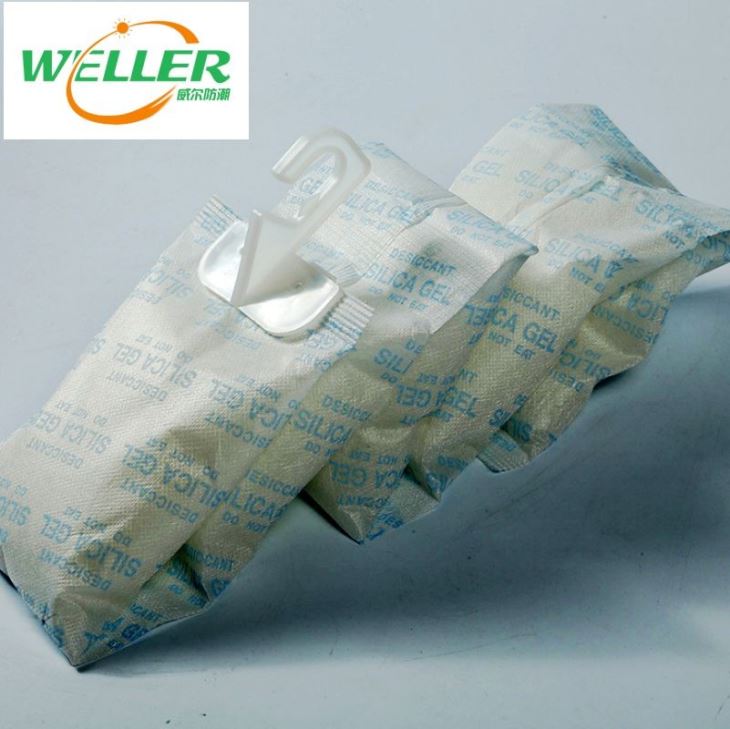
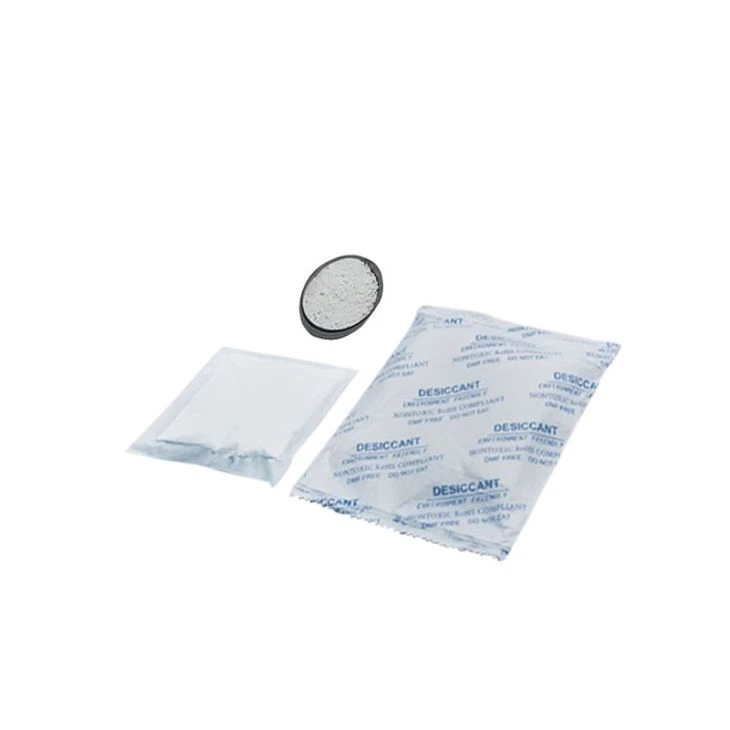
Fluctuations in temperature can cause stress on the desiccant material. For example, repeated cycles of heating and cooling can lead to physical changes in the desiccant, such as cracking or crumbling. These changes can reduce the surface area available for moisture absorption, thereby decreasing the overall performance of the desiccant.
Moreover, temperature variations can also affect the chemical stability of the desiccant. Some desiccants may undergo chemical reactions at extreme temperatures, which can alter their hygroscopic properties. For instance, certain additives in the desiccant may break down at high temperatures, reducing the desiccant's effectiveness.
Practical Considerations for Different Temperature Zones
When using container desiccants, it's important to consider the temperature conditions of the shipping route. For shipments in hot and humid regions, Calcium Chloride Moisture Absorber for Shipping can be a good choice. Although their absorption capacity may be slightly reduced at high temperatures, their relatively high initial absorption rate can still help to quickly remove excess moisture.
In cold regions, desiccants need to be able to withstand low temperatures without losing their effectiveness. Some specialized desiccants are designed to perform well in cold environments. It's also important to ensure that the desiccant is properly insulated to prevent freezing.
For shipments that cross multiple temperature zones, it's crucial to choose a desiccant that can adapt to a wide range of temperatures. Shipping Container Desiccants that are formulated to have stable performance under different temperature conditions can provide reliable moisture control throughout the journey.
Choosing the Right Desiccant Based on Temperature
As a container desiccant supplier, I often assist customers in choosing the right desiccant for their specific shipping needs. When considering temperature, the following factors should be taken into account:
- Temperature range: Determine the minimum and maximum temperatures that the container will encounter during transit. This information can help in selecting a desiccant with an appropriate temperature tolerance.
- Duration of exposure: Consider how long the container will be exposed to different temperature conditions. Longer exposure to extreme temperatures may require a more robust desiccant.
- Moisture level: The initial moisture level in the container and the expected humidity along the shipping route also play a role in desiccant selection. A desiccant with a higher absorption capacity may be needed in more humid environments.
Conclusion
In conclusion, temperature has a profound impact on the performance of container desiccants. It affects the absorption capacity, absorption rate, and long - term performance of these moisture - control products. As a supplier, I understand the importance of providing high - quality desiccants that can perform well under various temperature conditions.
If you are involved in shipping and need reliable container desiccants, I encourage you to reach out for a consultation. We can work together to select the most suitable desiccant for your specific shipping requirements, taking into account the temperature factors of your route. Whether you are shipping goods across the ocean or through different climate zones, our desiccants can help protect your valuable cargo from moisture - related damage. Contact us today to start a discussion about your container desiccant needs.
References
- "Handbook of Industrial Drying", Third Edition, Arun S. Mujumdar (Editor).
- "Principles of Adsorption and Adsorption Processes", Douglas M. Ruthven.
- Technical reports on desiccant performance from leading desiccant manufacturers.