

As a supplier of Anti Moisture Packets, I often receive inquiries about how to properly store these packets when they're not in use. Before we dive into the storage methods, let's briefly understand what Anti Moisture Packets are and why they're so important.
Understanding Anti Moisture Packets
Anti Moisture Packets, also known as desiccants, are small packages filled with substances that absorb moisture from the surrounding environment. They come in various forms, such as silica gel, activated charcoal, and calcium chloride. These packets are used in a wide range of applications to prevent moisture - related issues like mold growth, corrosion, and spoilage. For example, Closet Moisture Absorber helps keep your clothes dry and fresh in humid closets, while Car Interior Moisture Absorber can prevent the formation of fog on the car windows and protect the interior from dampness. Desiccant for Food Storage maintains the quality and shelf - life of food products by keeping them dry.
Factors Affecting the Storage of Anti Moisture Packets
Several factors must be considered when storing unused Anti Moisture Packets to ensure their effectiveness when they're eventually used.
Temperature
Extreme temperatures can have a negative impact on the performance of desiccants. High temperatures can cause the desiccant material to degrade, reducing its moisture - absorbing capacity. On the other hand, very low temperatures may cause the moisture inside the desiccant to freeze, which can also affect its functionality. Therefore, it's recommended to store Anti Moisture Packets in an environment with a stable temperature, preferably between 0°C and 30°C.
Humidity
The storage environment's humidity is perhaps the most critical factor. If the storage area is too humid, the Anti Moisture Packets will start absorbing moisture from the air, even when they're not in use. This pre - saturation can significantly reduce their effectiveness when you actually need them. To avoid this, store the packets in a low - humidity environment. A humidity level below 50% is ideal.
Air Exposure
Exposure to air allows moisture to reach the desiccant. Oxygen in the air can also react with some desiccant materials over time, degrading their performance. Therefore, it's important to minimize the packets' exposure to air during storage.

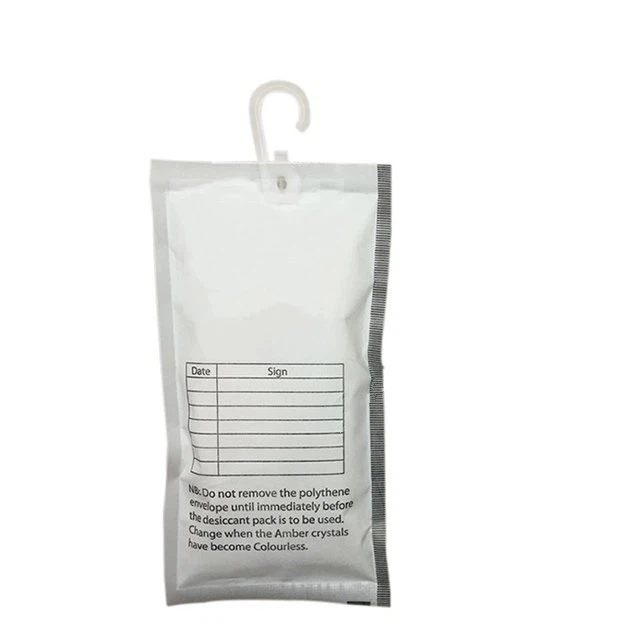
Storage Methods for Anti Moisture Packets
Sealed Containers
One of the most effective ways to store unused Anti Moisture Packets is in sealed containers. You can use plastic containers with air - tight lids or resealable plastic bags. Make sure to remove as much air as possible from the container or bag before sealing it. This will prevent moisture and air from reaching the packets. Label the containers clearly with the type of desiccant and the date of storage. This will help you keep track of the packets and ensure that you use the oldest ones first.
Vacuum Sealing
For long - term storage, vacuum sealing is an excellent option. Vacuum sealing removes almost all the air from the packaging, creating a near - airless environment. This not only prevents moisture from reaching the desiccant but also slows down any potential oxidation reactions. You can use a home vacuum sealer for this purpose. However, be careful when vacuum sealing silica gel packets, as the strong suction can sometimes damage the packets.
Storage in a Dry Room
If you don't have access to special containers or sealing equipment, you can store the Anti Moisture Packets in a dry room. Choose a room in your facility that is well - ventilated and has low humidity. You may also consider using a dehumidifier in the room to maintain the desired humidity level. Avoid storing the packets near sources of moisture, such as windows, bathrooms, or water pipes.
With a Desiccant in the Storage Space
Adding an extra desiccant to the storage space can help keep the environment dry for the Anti Moisture Packets. For example, you can place a larger silica gel pack or a container of calcium chloride in the sealed container or the storage room. This additional desiccant will absorb any moisture that might find its way into the storage area, protecting the unused Anti Moisture Packets.
Testing the Effectiveness of Stored Anti Moisture Packets
Even with proper storage, it's a good practice to test the effectiveness of your stored Anti Moisture Packets before use. You can do this by placing a small sample of the desiccant in a sealed bag with a humid item and monitoring the moisture level inside the bag over time. If the desiccant still shows a significant reduction in moisture, it's likely still effective.
Benefits of Proper Storage
Proper storage of Anti Moisture Packets ensures that they remain effective for a longer period. This not only saves you money by reducing the need for frequent replacements but also ensures that you have reliable desiccants on hand when you need them. For businesses, this can be crucial in maintaining product quality and preventing losses due to moisture - related damage.
Conclusion
Storing unused Anti Moisture Packets properly is essential to maintain their effectiveness. By considering factors such as temperature, humidity, and air exposure, and using appropriate storage methods like sealed containers, vacuum sealing, or storing in a dry room, you can ensure that your desiccants are ready to perform when you need them.
If you're interested in purchasing high - quality Anti Moisture Packets for your specific needs, I encourage you to reach out to us. We offer a wide range of desiccant products suitable for various applications, and our team is always ready to assist you in finding the best solution. Contact us for more information and let's start a conversation about your moisture - control requirements.
References
- "Desiccants: Principles, Properties, and Applications", John Wiley & Sons
- "Moisture Control in Packaging", Institute of Packaging Professionals