

As a supplier of Silica Gel for Clothes, one question I often get asked is, "Can I reuse silica gel for clothes?" This is a valid and practical inquiry, considering both cost - effectiveness and environmental concerns. In this blog, let's explore the reusability of silica gel for clothing applications in detail.
Understanding Silica Gel for Clothes
Silica gel is a porous, amorphous form of silicon dioxide. Its high porosity gives it an astonishing capacity to adsorb water vapor from the surrounding environment. When it comes to clothes, the main function of silica gel is to prevent the growth of mold and mildew, which can damage the fabric and cause unpleasant odors. It also helps keep the clothes dry, especially in humid climates or storage conditions.
If you're looking for the right silica gel for your clothing, you can check out our Silica Gel for Clothes product page. We offer high - quality silica gel that is safe for use with various types of fabrics, from delicate silk to sturdy denim.
The Reusability Principle
The key to reusing silica gel lies in its ability to release the adsorbed moisture. Silica gel works on a physical adsorption mechanism. When it is exposed to a humid environment, water molecules are attracted to and attach to the surface of the silica gel beads. Once the silica gel is saturated with moisture, it loses its effectiveness as a desiccant.
However, heating the silica gel can reverse this process. By applying heat, the water molecules gain enough energy to break free from the surface of the silica gel and evaporate. This restores the silica gel's ability to adsorb moisture again, making it reusable.
Steps to Reuse Silica Gel for Clothes
-
Inspection: Before attempting to reuse silica gel, inspect it carefully. If the silica gel has become contaminated, perhaps with dust, dirt, or any other foreign substances, it might not be suitable for reuse. For example, if the silica gel bags were placed in a very dirty storage area, debris could have entered the bags. In such cases, it is better to discard the contaminated silica gel and use new ones to ensure the safety of your clothes.
-
Drying Process:
- Oven Method: This is one of the most common ways to dry silica gel. Place the silica gel packets on a baking sheet. Set the oven to a low temperature, typically around 120 - 150°F (49 - 66°C). Higher temperatures can damage the silica gel or the packaging. Leave the silica gel in the oven for about 1 - 2 hours, depending on the amount and degree of saturation. Check periodically to see if the silica gel is dry. You can tell if it's dry by its appearance and by feeling its texture. Usually, dry silica gel is hard and free - flowing.
- Microwave Method: Another option is using a microwave. Put the silica gel in a microwave - safe container. Heat it in short intervals, say 30 seconds at a time. After each interval, take the container out and shake it gently. This helps distribute the heat evenly. Keep repeating the process until the silica gel is dry. Be cautious when using the microwave method as overheating can cause the silica gel to crack or even catch fire in extreme cases.
-
Re - testing: Once the silica gel has been dried, you can test its effectiveness. Place a small amount of the reused silica gel in a sealed container with a piece of damp cloth or a humidity indicator card. After a day or two, check if the cloth has dried or if the humidity indicator shows a lower humidity level. If so, the silica gel is still effective and can be reused for your clothes.
Limitations and Considerations
-
Number of Reuses: While silica gel can be reused, it has a limited number of re - uses. Each time it goes through the drying process, some of its pores may get damaged or blocked, reducing its overall adsorption capacity. Generally, silica gel can be reused 2 - 3 times, but this can vary depending on the quality of the silica gel and the drying conditions.
-
Safety: If the silica gel is used in a food - related environment or has been in contact with food, it should not be reused for clothes. You can find our Food Desiccant for appropriate food - grade applications. Also, some silica gel packets may contain color - changing indicators. If these indicators stop working properly after reuse, the silica gel may need to be replaced.
-
Type of Silica Gel: There are different types of silica gel, such as blue indicating silica gel, which contains cobalt chloride (a toxic substance), and orange indicating silica gel, which is a safer alternative. If you are using blue indicating silica gel, be extra cautious during reuse to avoid any health risks.
Comparison with Other Desiccant Options
Silica gel has some advantages over other desiccants when it comes to using it for clothes. For example, compared to natural desiccants like charcoal or rice, silica gel has a higher adsorption capacity and can work more effectively in a wider range of humidity levels.
On the other hand, some electronic desiccants are also available in the market. You can learn more about them on our Computer Silica Gel Desiccant page. However, these are often more specialized for electronic equipment and may not be as suitable or cost - effective for clothing applications as silica gel.
Conclusion and Call to Action
In conclusion, yes, you can reuse silica gel for clothes, but it requires proper care and understanding of its limitations. Reusing silica gel is a cost - effective and environmentally friendly way to keep your clothes dry and free from mold.

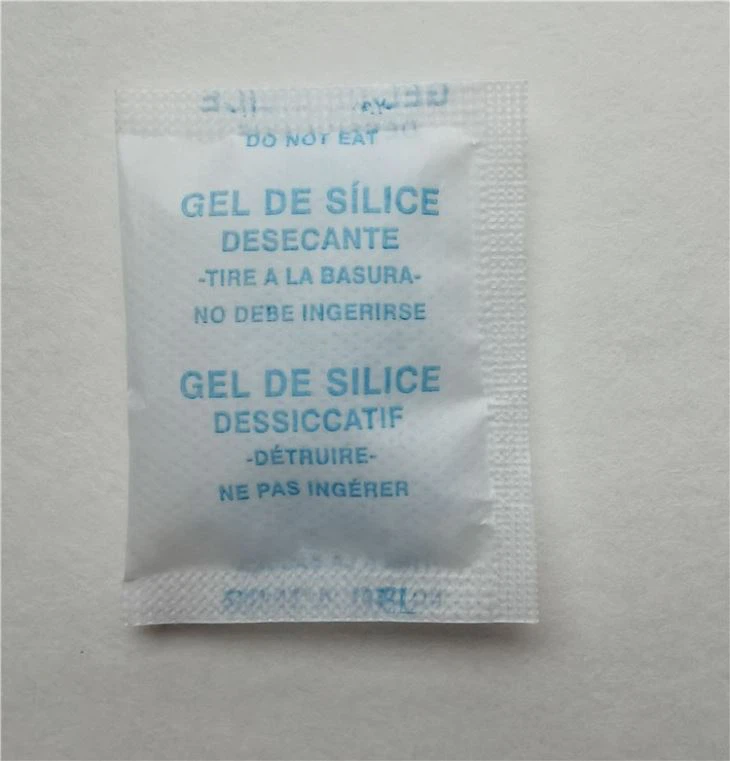
If you are interested in purchasing high - quality silica gel for clothes or have any questions about its use and reuse, we are here to assist you. Whether you are an individual looking to protect your personal wardrobe or a business in need of bulk desiccant solutions, we can provide you with the right products and advice. Contact us to start a procurement discussion, and let's work together to keep your clothes in the best condition.
References
- "Silica Gel Handbook" - A comprehensive guide on the properties and applications of silica gel.
- "Desiccant Technology for Moisture Control" - Research on different desiccant materials and their effectiveness.