

Hey there, art enthusiasts and collectors! I'm a supplier of Natural Fibre Desiccant, and today I want to dig into an interesting question: Can natural fibre desiccant be used in the art industry?
First off, let's talk about what natural fibre desiccants are. Natural fibre desiccants are made from natural plant materials, which makes them an eco - friendly alternative to traditional desiccants. You can check out more about them on our website: Natural Plant Fiber Desiccant, Natural Fibre Desiccant, and Natural Fiber Desiccant.
Now, why is humidity control such a big deal in the art world? Well, art pieces, whether they're paintings, sculptures, or antique manuscripts, are extremely sensitive to changes in humidity. High humidity can lead to a whole host of problems. For paintings, it can cause the canvas to warp, the paint to peel, and even encourage the growth of mold and mildew. Mold not only looks bad but can also eat away at the paint and the canvas over time, causing irreversible damage.
Sculptures, especially those made of wood or stone, can also be affected. Wood can absorb moisture and expand, which might crack the surface of the sculpture. Stone sculptures can develop a layer of efflorescence, a white, powdery substance that forms when water evaporates from the stone, leaving behind salts. This not only looks unappealing but can also damage the stone's structure.
Antique manuscripts are perhaps the most vulnerable. Paper is highly hygroscopic, meaning it readily absorbs moisture from the air. High humidity can cause the paper to become soft and weak, making it more likely to tear. It can also lead to the growth of fungi, which can stain and destroy the text and illustrations on the manuscript.
So, how can natural fibre desiccants help? These desiccants work by absorbing moisture from the surrounding air. They have a high adsorption capacity, which means they can take in a large amount of water vapor. This helps to maintain a stable humidity level in the environment where the art is stored or displayed.
One of the great things about natural fibre desiccants is that they're non - toxic and safe to use around art pieces. Unlike some chemical desiccants, they won't release any harmful substances that could damage the art. They're also biodegradable, which is a huge plus for those who are environmentally conscious.
Let's take a look at some real - world scenarios. Imagine a small art gallery. They have a limited budget for climate control but still want to protect their valuable art collection. By placing natural fibre desiccants in strategic locations around the gallery, they can keep the humidity in check without having to invest in expensive climate - control systems. The desiccants can be placed in display cases, storage cabinets, and even in the corners of the gallery.
For individual collectors, natural fibre desiccants are also a great option. If you have a few paintings or sculptures in your home, you can put a desiccant pack in the storage box or display case. This will help to protect your art from the daily fluctuations in humidity that can occur in a home environment.
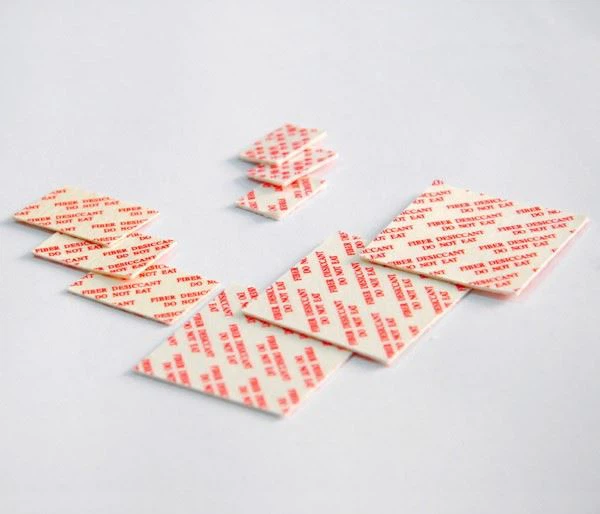
Another advantage of natural fibre desiccants is their versatility. They come in different sizes and forms, so you can choose the one that best suits your needs. Whether you need a small pack for a tiny display case or a larger one for a big storage room, there's a natural fibre desiccant for you.

Now, let's talk about the cost - effectiveness. Compared to other methods of humidity control, such as dehumidifiers, natural fibre desiccants are relatively inexpensive. Dehumidifiers require electricity to run, and they also need regular maintenance. On the other hand, natural fibre desiccants are a one - time purchase. You just need to replace them when they're saturated with moisture, which is usually every few months depending on the humidity level.
But it's not all sunshine and rainbows. There are some limitations to using natural fibre desiccants. Their adsorption capacity is finite, so in extremely humid environments, they might need to be replaced more frequently. Also, they're not as powerful as some industrial - grade dehumidifiers. So, in large - scale art storage facilities or museums with strict humidity requirements, they might need to be used in conjunction with other humidity - control methods.
However, for most small - to - medium - sized art collections, natural fibre desiccants can be a great solution. They offer a simple, cost - effective, and environmentally friendly way to protect art from the damaging effects of humidity.
In conclusion, natural fibre desiccants definitely have a place in the art industry. They can help to preserve art pieces by maintaining a stable humidity level, and they do so in a safe and eco - friendly way. Whether you're an art gallery owner, a collector, or someone who just has a few precious art items at home, I highly recommend giving natural fibre desiccants a try.
If you're interested in learning more about our Natural Fibre Desiccants or want to discuss your specific needs for art protection, don't hesitate to reach out. We're here to help you find the best solution for keeping your art collection in top - notch condition.
References:
- General knowledge about the effects of humidity on art
- Information on the properties and functions of natural fibre desiccants from industry research