

Hey there! I'm a supplier of fiber desiccant, and today I wanna chat about how to regenerate fiber desiccant. Fiber desiccants are super useful in keeping moisture at bay in various environments, from storage facilities to shipping containers. But once they've absorbed a bunch of moisture, what do you do? Well, that's where regeneration comes in.
Why Regenerate Fiber Desiccant?
First off, let's talk about why you'd even want to regenerate your fiber desiccant. For starters, it's cost - effective. Buying new desiccant every time it gets saturated can really add up. By regenerating, you can reuse the same desiccant multiple times, saving you some serious cash in the long run.
Another reason is environmental. We're all trying to be a bit more eco - friendly these days, right? Regenerating desiccant reduces waste. Instead of throwing it away and adding to landfills, you're giving it a new lease on life.
Types of Fiber Desiccants
Before we dive into the regeneration process, let's quickly touch on the different types of fiber desiccants out there. There's the Natural Fibre Desiccant, which is made from natural materials. It's a great option if you're looking for an environmentally friendly choice. Then there's the Performance Dry Desiccant, which is designed to offer high - performance moisture absorption. And of course, the Natural Fiber Desiccant, which combines the benefits of natural fibers with effective moisture - absorbing capabilities.
The Regeneration Process
Now, let's get to the main event: how to regenerate fiber desiccant.

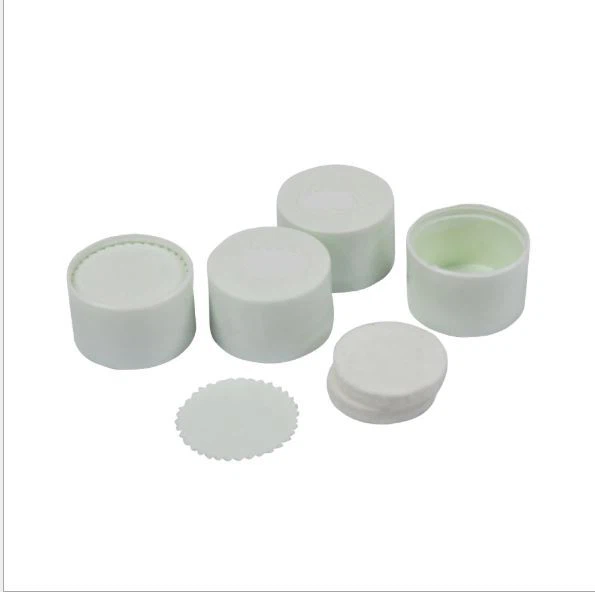
Step 1: Remove the Desiccant
The first thing you need to do is take the desiccant out of its container or packaging. If it's in a small sachet, carefully open it up. Make sure you do this in a clean area to avoid any contamination.
Step 2: Inspect the Desiccant
Once you've removed the desiccant, give it a good look. Check for any signs of damage, like clumping or discoloration. If there are any large chunks or debris, you might want to sift through the desiccant to remove them. This will help ensure a more effective regeneration process.
Step 3: Choose a Regeneration Method
There are a few different ways to regenerate fiber desiccant, and the method you choose will depend on a few factors, like how much desiccant you have and what equipment you have available.
Method 1: Oven Drying
This is one of the most common methods. Preheat your oven to a low temperature, around 100 - 120°C (212 - 248°F). Spread the desiccant out on a baking sheet in a thin, even layer. Place the baking sheet in the oven and leave it for about 2 - 3 hours. Keep an eye on it to make sure it doesn't overheat or burn. You'll know the desiccant is regenerated when it feels dry to the touch.
Method 2: Microwave Drying
If you don't have an oven or you just want a quicker option, you can use a microwave. Put the desiccant in a microwave - safe container. Heat it on low power for short intervals, like 30 seconds at a time. After each interval, take the container out and stir the desiccant. Keep doing this until the desiccant is dry. Be careful not to overheat it, as this can damage the desiccant.
Method 3: Air Drying
This is the most natural method, but it also takes the longest. Simply spread the desiccant out in a well - ventilated area with low humidity. It might take a few days for the desiccant to fully dry, depending on the humidity levels and the amount of desiccant. You can speed up the process by using a fan to blow air over the desiccant.
Step 4: Cool and Store
Once the desiccant is dry, take it out of the oven, microwave, or air - drying area. Let it cool down completely before putting it back into its container or packaging. Store the regenerated desiccant in a sealed container until you're ready to use it again.
Tips for Successful Regeneration
- Don't Overheat: As I mentioned earlier, overheating can damage the desiccant and reduce its effectiveness. Stick to the recommended temperatures and times for each regeneration method.
- Stir Regularly: When using an oven or microwave, stirring the desiccant regularly helps ensure even drying.
- Test the Desiccant: After regeneration, you can test the desiccant's effectiveness by placing it in a sealed container with a small amount of moisture - sensitive material. If the material stays dry, the desiccant is working well.
Conclusion
Regenerating fiber desiccant is a great way to save money and be more environmentally friendly. By following the steps I've outlined above, you can easily regenerate your desiccant and reuse it multiple times. Whether you're using Natural Fibre Desiccant, Performance Dry Desiccant, or Natural Fiber Desiccant, these methods should work just fine.
If you're interested in purchasing high - quality fiber desiccant or have any questions about the regeneration process, feel free to reach out. We're here to help you keep your environment dry and moisture - free.
References
- "Handbook of Desiccants and Moisture Control", various industry research on desiccant materials and regeneration techniques.
- Industry reports on the environmental and cost - benefits of desiccant regeneration.